
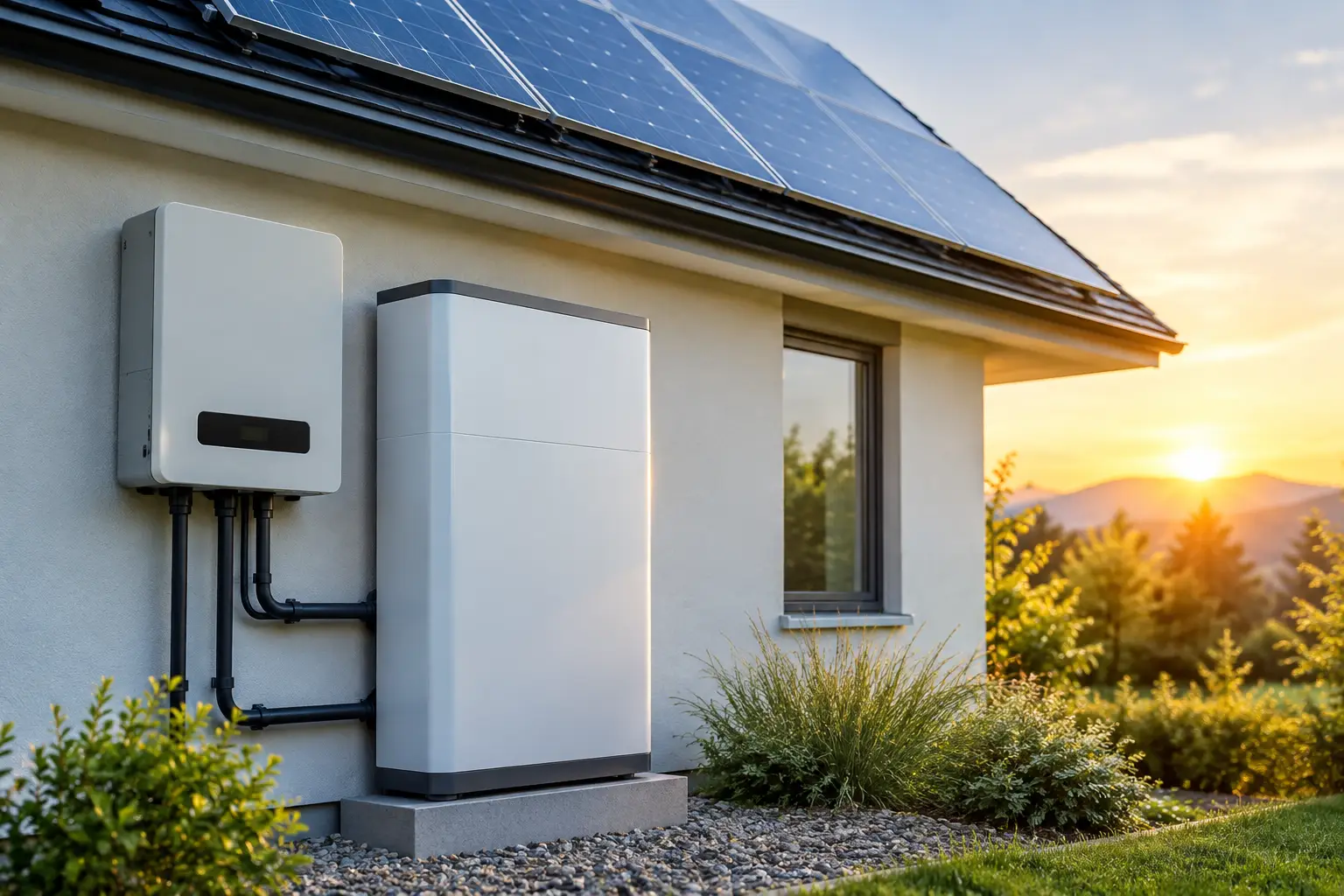
A sunny afternoon can produce more electricity than a typical home can use at once. Without storage, that surplus is exported to the grid. If you are asking, can you add a battery to existing solar panels, the answer is usually yes. A professionally designed retrofit battery can store spare solar generation for use later in the day, helping you buy less electricity during the evening peak.
The word usually matters. The age and design of your current solar system, its inverter, your consumer unit capacity and your electricity tariff all affect the right solution. Battery storage is not simply a box added beside an inverter. It needs to be correctly specified, safely connected, configured for your household and fully tested.
Can you add a battery to existing solar panels safely?
Most existing Solar PV systems can have battery storage added, including systems installed years ago under the Feed-in Tariff. The simplest route for many homes is an AC-coupled battery. This has its own battery inverter and connects to the property’s electrical supply, rather than directly to the solar panel strings.
An AC-coupled system allows the battery to see surplus generation from the solar inverter and charge from it. When the household needs power later, the battery inverter supplies electricity back into the property. It is often a practical choice because it does not require replacing a working solar inverter.
A DC-coupled battery connects on the solar PV side of a compatible hybrid inverter. This can be efficient, but it may mean changing the existing inverter. For a newer installation with an inverter nearing replacement, or where further solar panels are planned, this can be a sensible long-term arrangement. For a sound, established system, however, replacing equipment solely to make it DC-coupled may not represent the best value.
The correct option depends on the equipment already in place and what you want the system to achieve. A site survey should establish this before any work is quoted.
What needs checking before a battery retrofit?
Solar batteries work alongside high-current electrical equipment. The installation must be assessed as an electrical alteration, not treated as a plug-in appliance. A competent installer will inspect the existing solar equipment and the property’s electrical infrastructure before recommending a battery.
Key checks include:
- the make, model, age and output of the current solar inverter;
- the size and condition of the consumer unit, main supply and earthing arrangement;
- solar generation history and the household’s electricity use through the day and evening;
- available wall or floor space, access, ventilation and a suitable installation location;
- Distribution Network Operator requirements for the proposed combined generation and storage capacity; and
- any existing Feed-in Tariff, export arrangement or manufacturer warranty conditions.
The battery location deserves proper thought. It must be accessible for servicing, protected from damage and installed in line with the manufacturer’s instructions. Lofts, escape routes and unsuitable enclosed spaces are rarely good choices. Garages, utility areas and appropriate external locations can work well, but every property is different.
Your consumer unit may also need attention. A battery installation needs suitable protective devices, isolation and clear labelling. If a consumer unit is old, overcrowded or has no spare capacity, an upgrade or additional enclosure may be required. This is not unnecessary extra work. It is how the installation remains safe, compliant and straightforward to inspect in future.
Choosing the right battery size
Bigger is not always better. A battery that is too small may fill before midday and leave little capacity for the following day. One that is far too large may rarely charge fully from solar, especially through a Cheshire winter, which makes the investment harder to justify.
For many homes, the starting point is not the size of the solar array but the amount of electricity used after the sun has gone down. Look at evening cooking, lighting, television, home working, washing machines, tumble dryers and overnight base load. Smart meter or inverter data can show whether the property regularly exports enough solar electricity to charge a battery.
A home with a 4 kW solar array and modest evening use may benefit from a smaller battery than a home with the same array, an electric vehicle, electric heating controls and a busy family schedule. It also matters whether the battery can charge cheaply overnight on a time-of-use tariff. In that case, storage may be used for tariff management as well as solar self-consumption.
Capacity is only part of the specification. Battery power output also matters. A 10 kWh battery with a low discharge rate may not cover several high-demand appliances running together. A good design considers both how much energy you need and how quickly you need it delivered.
Will a battery provide power during a cut?
Not automatically. Most grid-connected solar and battery systems shut down when the mains supply fails. This protects electrical workers who may be repairing the network and prevents the system from feeding electricity into a fault.
If backup power is important, tell the installer at the design stage. Some batteries can provide an essential-loads backup supply, often covering selected circuits such as lighting, broadband, refrigeration and sockets. Others offer whole-home backup where the incoming supply and system design allow it.
Backup capability requires additional equipment and careful circuit design. It may not be appropriate to run high-load items such as electric showers, ovens, immersion heaters or all heating equipment during an outage. The important point is to agree what needs to stay on, rather than assume every battery includes full backup as standard.
Feed-in Tariffs, export payments and permissions
Adding storage should not prevent you from benefiting from your solar panels, but older Feed-in Tariff systems need particular care. Your generation meter, export arrangements and battery charging settings should be reviewed so that the new equipment does not affect meter readings or payments incorrectly.
The installer must also consider the total potential export from the property. Depending on the system size and configuration, notification to or approval from the local Distribution Network Operator may be required under the relevant engineering recommendations. This paperwork is part of a proper installation, not an optional administrative detail.
For newer systems receiving Smart Export Guarantee payments, a battery may reduce exported solar electricity because you are storing more of it. That is often the point, particularly where imported electricity costs significantly more than exported electricity is paid. The best outcome depends on your tariff, household pattern and whether the battery can be controlled intelligently.
What does retrofitting a battery involve?
Once the design is agreed, the work generally involves fitting the battery and associated inverter or control equipment, installing dedicated cabling and protection, integrating monitoring, and configuring charging and export settings. The solar system may need to be switched off temporarily, but a straightforward retrofit can often be completed with limited disruption.
At handover, you should receive certification for the electrical work, system information, operating guidance and details of any network notification or approval. You should also understand how to use the monitoring app, what the battery’s reserve setting means and when it will charge from solar, the grid or both.
BMC Electrical Services NW approaches battery retrofits as an integrated electrical job: clean cable routes, correct protective devices, formal testing and settings that suit the property rather than a generic template. That approach matters just as much in an older Northwich home as it does in a newer development.
Is adding a battery worth it?
A battery can increase the proportion of your own solar power that you use, reduce reliance on peak-rate imports and give greater control over when electricity is bought. Its financial return varies. Households that export regularly, use substantial electricity in the evening, or have a suitable off-peak tariff commonly see the strongest case.
It may be less compelling for a property with low electricity use, little solar surplus or a very small solar array. Battery prices, available capacity, expected lifespan, warranty terms and tariff changes should all be considered. There is no honest one-size-fits-all payback figure.
The practical first step is to gather a few recent electricity bills and, if available, solar generation data. That gives an installer something real to assess instead of relying on assumptions. A correctly sized, safely installed battery should fit the way you use power now, while leaving room for sensible future changes such as an EV charger or additional solar panels.